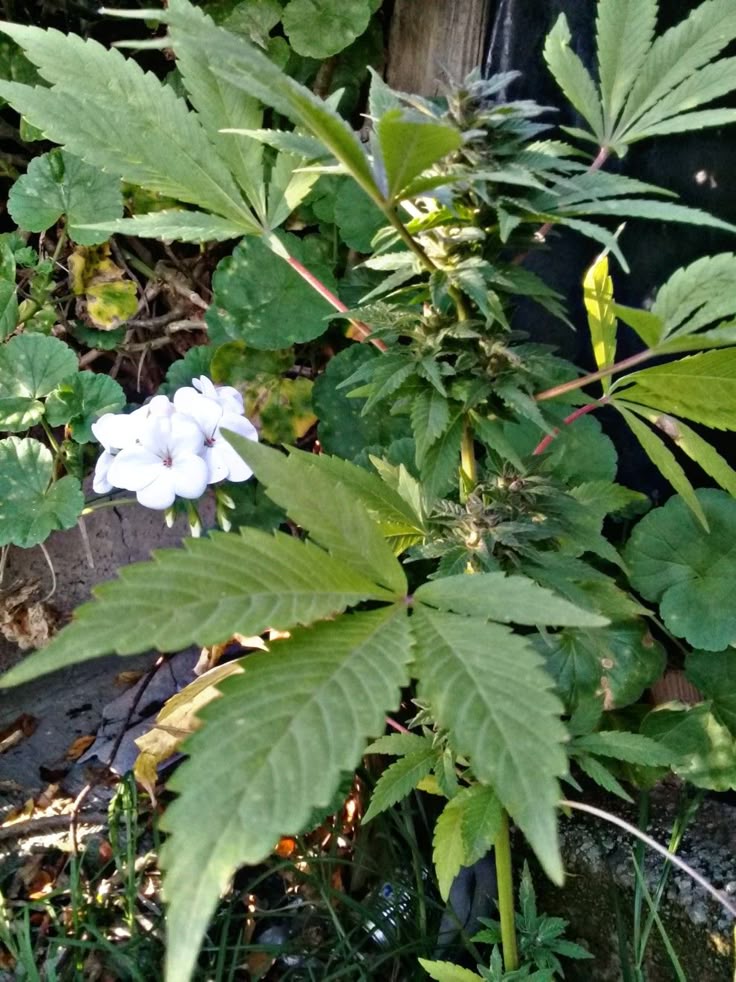
Not long ago, any public discussion about marijuana in Kenya was quickly dismissed as radical or immoral. Today, however, the conversation has shifted dramatically. From political rallies and courtrooms to social media and university debates, more Kenyans are openly asking whether the country should reconsider its strict stance on cannabis commonly known as bhang. The push to legalise or at least decriminalise marijuana reflects changing social attitudes, economic pressures, human rights concerns, and global trends.
Marijuana remains illegal in Kenya under the Narcotic Drugs and Psychotropic Substances (Control) Act of 1994. The law prohibits possession, cultivation, sale, and consumption, with penalties that can include long prison sentences and heavy fines. In many cases, even small amounts intended for personal use can lead to serious criminal charges.
Yet despite these harsh laws, cannabis is widely used across the country. This contradiction has led many to question whether prohibition is actually working. Critics argue that criminalization has neither eliminated supply nor reduced demand it has simply pushed the activity underground.
The debate gained national visibility during the 2022 general election, largely due to the controversial campaign of George Wajackoyah. His proposal to legalise marijuana cultivation for export sparked intense reactions, ranging from enthusiastic support to outright condemnation.
Supporters viewed the proposal as bold and pragmatic, arguing that cannabis could become a lucrative cash crop capable of generating jobs, tax revenue, and foreign exchange. Opponents, however, dismissed the idea as unrealistic and socially dangerous. Regardless of where one stood, the conversation had begun and it has not faded since.
Proponents of legalisation often point to the booming global cannabis industry. Countries that have regulated marijuana have created new sectors in agriculture, pharmaceuticals, manufacturing, and retail. For Kenya, a nation with a strong agricultural base and a youthful population in need of employment, cannabis is seen by some as an untapped economic opportunity.
However, others caution that the promised economic windfall may be overstated. Establishing a legal cannabis industry would require strict regulation, licensing systems, enforcement mechanisms, and international market access. Without these safeguards, legalisation could create new problems rather than solve existing ones.
The push for reform is not limited to politics. Legal scholars and practitioners have begun framing cannabis prohibition as a constitutional issue. Arguments have been made that criminalizing personal use infringes on rights such as privacy, dignity, and personal autonomy.
Former Law Society of Kenya president Nelson Havi has been among those advocating for court action to challenge the current legal framework. If such litigation succeeds, it could compel lawmakers to revisit the existing statute and develop a more nuanced policy approach
For some communities, the issue goes beyond economics or personal liberty. Members of the Rastafarian faith consider cannabis a sacred herb used in spiritual practices. They argue that banning it interferes with their constitutional right to freedom of religion.
This dimension of the debate raises difficult questions: Should the law make room for religious exemptions? How would such exemptions be regulated? And could they be abused? These concerns highlight the broader challenge of balancing individual freedoms with public order.
Globally, cannabis is increasingly recognized for its medical potential. It has been used to manage chronic pain, epilepsy, nausea from chemotherapy, and certain neurological conditions. Advocates in Kenya argue that legalizing medical marijuana could expand treatment options and stimulate pharmaceutical research.
At the same time, public health authorities warn of potential dangers, particularly for young people. Concerns include addiction, impaired memory and concentration, mental health complications, and increased risk of accidents. Critics fear that legalization could normalize use and make the drug more accessible to minors.
The push to legalize marijuana in Kenya is ultimately about more than the drug itself. It reflects deeper questions about governance, public health, economic development, individual freedom, and social values. There are no easy answers, and opinions remain sharply divided.
For now, marijuana remains illegal. But the fact that serious, sustained debate is taking place marks a significant shift. What was once a taboo topic has become a legitimate policy question one that Kenya will likely continue to grapple with in the years ahead.
Whether the country moves toward decriminalisation, medical legalisation, or maintains the status quo will depend on careful dialogue, evidence based policymaking, and an honest assessment of both risks and opportunities.