IMPACT ON THE COMMUNITIES IN THE COASTAL REGION (JUMUIYA YA KAUNTI ZA PWANI)
PART 1 (A): KWALE COUNTY – 002
Land law in Kwale County is governed by a combination of national statutes and local county-specific regulations, primarily focusing on property ownership, land use, and taxation. These include Kenya’s national Land Registration Act (2012), the Land Act (2012), and local regulations like the Kwale County Rating Act (2020), which imposes rates on land and buildings. Key aspects include freehold and leasehold tenures, regulation of community land, and the Environment and Land Court, which handles disputes.
Core Legal Framework:
Land matters in Kwale are subject to the Constitution of Kenya, which classifies land into Public, Community, and Private land. Other legislation includes:
- The Land Act (2012): Provides for the management and administration of land. Recent amendments in October 2025 have reshaped how land is held and transferred.
- The Land Registration Act (2012): Governs the registration of titles. Disputes over registration, such as fraud or mistakes, can lead to court-ordered rectification of the register.
- Community Land Act (2016): Crucial for Kwale, this law facilitates the registration of community lands (e.g., Chengoni, Mazola, and Mtaa) to transition from communal to individual or formal group ownership.
County Specific Regulations:
Kwale County has enacted local laws to manage land-related revenue and urban development. They include:
- Kwale County Rating Act (2020): Imposes property rates, manage valuation rolls on all land and buildings within the county. It requires un-surveyed land held via allotment letters to pay an annual Land Rent.
- Physical and Land Use Planning Act (2019): Empowers the county to control land development, zoning, and the subdivision of plots.
- Land Use and Planning: The Kwale Municipal Act (2018) provides the framework for managing urban areas like Kinango and Lunga Lunga, including urban planning and housing. This also enables the municipality to acquire, manage and dispose of property.
- Land Administration & Registration: Governed by the Land Registration Act, 2012, which considers a certificate of title as prima facie evidence of ownership, challenges to which must prove fraud, misrepresentation, or illegal acquisition.
- Community Land Subdivisions: Ongoing initiatives are converting group ranches (e.g., Mwavumbo) into individual, registered titles.
- Eviction Procedures: Procedures are governed by Sections 152A to 152I of the Land Act, 2012, requiring legal processes for eviction from public, community, or private land.
Dispute Resolution Mechanisms & Institutions: The County & National Governments are usually very keen on ensuring that any disagreements or issues are dealt with through with ADR as much as possible, before landing in the courts’ system. However, the main institutions that ensure such matters are dealt with in the most reasonable time possible are:
- Environment and Land Court (ELC) at Kwale: This is the primary judicial body for resolving land ownership disputes, boundary conflicts, and illegal title conversions.
- Kwale Lands County Office: Handles administrative procedures such as Consent Applications for land transfers.
- National Land Commission (NLC): Manages public land and investigates historical land injustices or illegal title acquisitions within the county.
CURRENT ISSUES IN COUNTY 002:
Land, being an emotive topic; not just in Kwale, but across Kenya; has challenges & issues that tag along beside it. It may be easier to predict where conflict or disputes may arise nowadays, but some of the problems being faced by county residents today, have roots from as far as 4 generations back.
Those specific to County 002 are many, but in a nutshell include:
- Historical Land Injustices: Ongoing cases involve claims against large corporations (e.g., Bamburi Cement) and the conversion of public land into private leases.
- Adverse Possession: Under the “12-year rule,” individuals who occupy land continuously, openly, and without the owner’s consent for 12 years may claim ownership.
- Community Land Rights: Activists frequently call for law amendments to better protect residents from displacement and address long-standing ownership challenges. Under Article 63 of the Constitution, land is held by communities based on culture or ethnicity, although many areas are still managed as trust land by the county government.
- Spatial Planning & Zoning: The Kwale County Spatial Plan (2022-2032) aims to guide land use, investment in tourism/mining, and environmental conservation.
- Compulsory Acquisition: The municipality can acquire private land for public use, often leading to disputes over fair compensation.
- Land Administration Issues: Reports indicate corruption in land offices, with non-locals and officials accused of taking land from indigenous communities.
Persistent Challenges:
Land Grabbing and Fraud: Private developers and “land cartels” continue to exploit lack of documentation to displace families, often using fraudulent titles or “financial muscle”. Notably, 90% of small fishing ports in Kwale still lack title deeds, making them highly vulnerable to seizure.
Systemic Injustices: Historical grievances, such as those involving absentee landlords and the misclassification of community land as “forest land” or “government land,” remain emotive and unresolved for many.
Bureaucratic Obstacles: Allegations of corruption and “outrageous demands” from land registry officials have frustrated legitimate owners attempting to process their documents.
Implementation Gaps: In areas like Kinango, residents face potential displacement due to administrative errors where community land was reportedly registered in neighbouring counties like Taita Taveta.
Land rights in Kwale are strongly influenced by the need for formal titling to protect against illegal encroachment and to formalize customary tenure.
Impact on Communities in Kwale County:
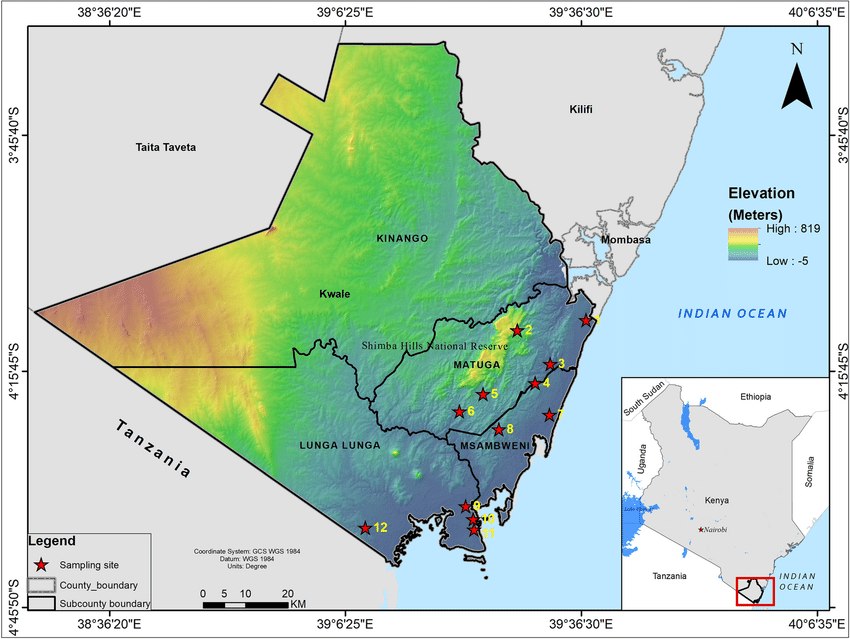
Within the county, many issues have been raised over decades, regarding land, its regulation under law, and how all these affect the citizens and residents of the 2nd county in the Jumuiya.
The impact of land law on communities in Kwale is a complex, critical and profound issue, primarily revolving around the transition from customary to formal tenure and the resolution of historical land injustices. While recent legislative and administrative actions aim to provide security, significant challenges remain regarding land grabbing and legal literacy. While initiatives to issue title deeds are underway, many residents—often described as “squatters on their own ancestral land”—face displacement risks, with a 2025 survey indicating 72% of residents in some areas lack formal documentation.
Here is a detailed breakdown of the impacts of land law on communities in Kwale:
Insecurity and Historical Land Injustices:
“Squatting” on Ancestral Land: Many communities in areas like Msambweni, Matuga, and Kinango live without formal land ownership documents, leaving them vulnerable to land grabbing by private developers. The issuance of title deeds—such as the 6,247 titles recently issued to residents is designed to eliminate “squatter” status on ancestral land. This documentation allows families to access capital for business development and reduces local boundary disputes.
Unresolved Historical Claims: The legacy of colonial-era land policies, including the creation of absentee landlords, continues to cause, with many residents unable to claim their ancestral lands, according to Kwale County officials.
Forceful Evictions and Conflict: The lack of secure tenure has led to frequent, sometimes violent, evictions, destroying homes and livelihoods, and fostering deep mistrust between the community and state authorities.
Economic and Development Impacts:
Investment and Development: The issuance of title deeds has motivated residents to invest in and develop their land, having a positive impact on the local economy.
Displacement vs. Development: Large-scale projects and “public purpose” land acquisitions have occasionally led to the displacement of communities, raising concerns about whether development benefits the local population.
Mining Royalties: New, although still emerging, regulatory frameworks aim to ensure communities benefit from mineral wealth (10% of royalties), with Kwale being a focus for post-mining land rehabilitation.
Vulnerability of Specific Groups and Resources:
Women’s Land Rights: Women often face significant challenges in inheriting land due to traditional practices and, at times, patriarchal interpretations of law, despite constitutional guarantees of equal rights.
Threat to Fishing Livelihoods: Approximately 90% of small fishing ports in Kwale lack title deeds, making them susceptible to land grabbing, which directly threatens the livelihoods of local fishing communities.
Kaya Forest Protection: Despite their cultural significance, many traditional Kaya forests have been vulnerable to being grabbed, causing concern about the failure to adequately protect them under current laws.

Legal Empowerment and Recent Improvements:
Issuance of Title Deeds: The national government has recently accelerated the issuance of title deeds (e.g., over 6,000 in early 2025) to address historical injustices, allowing residents to use their land for credit and investment.
Alternative Dispute Resolution (ADR) & Empowerment of Vulnerable Groups: Programs like Minda Yehu (Our Land) are training residents in legal literacy, particularly for women and youth, enabling them to defend inheritance rights and challenge illegal evictions in court. Using mediation and paralegals to resolve boundary disputes and land conflicts outside of slow, formal court processes.
Community Land Recognition: The Community Land Act of 2016 allows for the registration of community land, helping protect areas traditionally managed by communities, such as Kaya forests, from conversion into private property. Legal frameworks have enabled the county to reclaim grabbed parcels, including Chale Island and Kisite Mpunguti, returning them to community or public use.
Challenges in Implementation of Legislation & ADR Mechanisms:
As much as genuine efforts to right wrongs are being seen; with positive steps being undertaken to address land law and its intricacies in the county; there are always a few (or many) issues that crop up from time to time. This may lead to challenges that may seem repetitive; but are well on their way to being phased out. With the people taking more and more of a stand (community based & legally), these issues will hopefully be a thing of the past in the next decade or so.
Bureaucratic Hurdles: Despite the push for titling, residents still face challenges with slow bureaucratic processes in the Ministry of Lands, and sometimes, fraudulent documents.
Intergenerational Gaps: Limited involvement of the youth in land management poses a risk to the long-term sustainability of land ownership and agricultural productivity.
In conclusion, the next five or so years will be critical for Kwale County in transforming its land tenure system from a source of conflict into a foundation for economic growth, provided that the implementation & execution of land policies remains transparent and participatory. MMS Advocates hopes to be here through this process and transformation.
NB: This article is intended for educational and informational purposes only and does not constitute legal advice. Readers are encouraged to consult a qualified legal professional; such as MMS Advocates; for guidance specific to their individual circumstances: particularly ADR, land acquisition & registration, and all matters land within Kwale County, Kenya and beyond.