PART 1 (A): KWALE COUNTY – 002
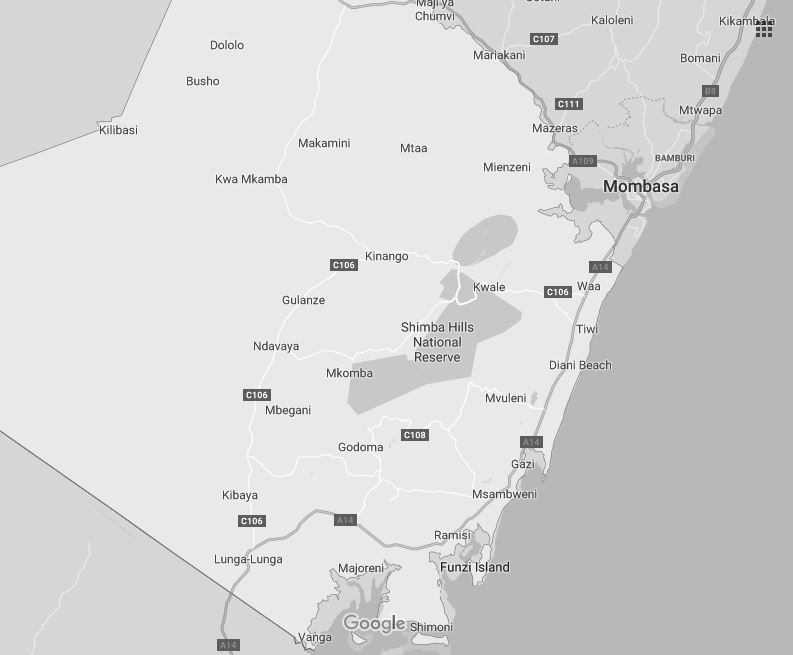
Land law in Kwale County is governed by a combination of national statutes and local county-specific regulations, primarily focusing on property ownership, land use, and taxation. These include Kenya’s national Land Registration Act (2012), the Land Act (2012), and local regulations like the Kwale County Rating Act (2020), which imposes rates on land and buildings. Key aspects include freehold and leasehold tenures, regulation of community land, and the Environment and Land Court, which handles disputes.
Core Legal Framework:
Land matters in Kwale are subject to the Constitution of Kenya, which classifies land into Public, Community, and Private land. Other legislation includes:
- The Land Act (2012): Provides for the management and administration of land. Recent amendments in October 2025 have reshaped how land is held and transferred.
- The Land Registration Act (2012): Governs the registration of titles. Disputes over registration, such as fraud or mistakes, can lead to court-ordered rectification of the register.
- Community Land Act (2016): Crucial for Kwale, this law facilitates the registration of community lands (e.g., Chengoni, Mazola, and Mtaa) to transition from communal to individual or formal group ownership.
County Specific Regulations:
Kwale County has enacted local laws to manage land-related revenue and urban development. They include:
- Kwale County Rating Act (2020): Imposes property rates, manage valuation rolls on all land and buildings within the county. It requires un-surveyed land held via allotment letters to pay an annual Land Rent.
- Physical and Land Use Planning Act (2019): Empowers the county to control land development, zoning, and the subdivision of plots.
- Land Use and Planning: The Kwale Municipal Act (2018) provides the framework for managing urban areas like Kinango and Lunga Lunga, including urban planning and housing. This also enables the municipality to acquire, manage and dispose of property.
- Land Administration & Registration: Governed by the Land Registration Act, 2012, which considers a certificate of title as prima facie evidence of ownership, challenges to which must prove fraud, misrepresentation, or illegal acquisition.
- Community Land Subdivisions: Ongoing initiatives are converting group ranches (e.g., Mwavumbo) into individual, registered titles.
- Eviction Procedures: Procedures are governed by Sections 152A to 152I of the Land Act, 2012, requiring legal processes for eviction from public, community, or private land.

Dispute Resolution Mechanisms & Institutions: The County & National Governments are usually very keen on ensuring that any disagreements or issues are dealt with through with ADR as much as possible, before landing in the courts’ system. However, the main institutions that ensure such matters are dealt with in the most reasonable time possible are:
- Environment and Land Court (ELC) at Kwale: This is the primary judicial body for resolving land ownership disputes, boundary conflicts, and illegal title conversions.
- Kwale Lands County Office: Handles administrative procedures such as Consent Applications for land transfers.
- National Land Commission (NLC): Manages public land and investigates historical land injustices or illegal title acquisitions within the county.
CURRENT ISSUES IN COUNTY 002:
Land, being an emotive topic; not just in Kwale, but across Kenya; has challenges & issues that tag along beside it. It may be easier to predict where conflict or disputes may arise nowadays, but some of the problems being faced by county residents today, have roots from as far as 4 generations back.
Those specific to County 002 are many, but in a nutshell include:
- Historical Land Injustices: Ongoing cases involve claims against large corporations (e.g., Bamburi Cement) and the conversion of public land into private leases.
- Adverse Possession: Under the “12-year rule,” individuals who occupy land continuously, openly, and without the owner’s consent for 12 years may claim ownership.
- Community Land Rights: Activists frequently call for law amendments to better protect residents from displacement and address long-standing ownership challenges. Under Article 63 of the Constitution, land is held by communities based on culture or ethnicity, although many areas are still managed as trust land by the county government.
- Spatial Planning & Zoning: The Kwale County Spatial Plan (2022-2032) aims to guide land use, investment in tourism/mining, and environmental conservation.
- Compulsory Acquisition: The municipality can acquire private land for public use, often leading to disputes over fair compensation.
- Land Administration Issues: Reports indicate corruption in land offices, with non-locals and officials accused of taking land from indigenous communities.

Persistent Challenges:
Land Grabbing and Fraud: Private developers and “land cartels” continue to exploit lack of documentation to displace families, often using fraudulent titles or “financial muscle”. Notably, 90% of small fishing ports in Kwale still lack title deeds, making them highly vulnerable to seizure.
Systemic Injustices: Historical grievances, such as those involving absentee landlords and the misclassification of community land as “forest land” or “government land,” remain emotive and unresolved for many.
Bureaucratic Obstacles: Allegations of corruption and “outrageous demands” from land registry officials have frustrated legitimate owners attempting to process their documents.
Implementation Gaps: In areas like Kinango, residents face potential displacement due to administrative errors where community land was reportedly registered in neighbouring counties like Taita Taveta.
Land rights in Kwale are strongly influenced by the need for formal titling to protect against illegal encroachment and to formalize customary tenure.
Impact on Communities in Kwale County:
Within the county, many issues have been raised over decades, regarding land, its regulation under law, and how all these affect the citizens and residents of the 2nd county in the Jumuiya.
The impact of land law on communities in Kwale is a complex, critical and profound issue, primarily revolving around the transition from customary to formal tenure and the resolution of historical land injustices. While recent legislative and administrative actions aim to provide security, significant challenges remain regarding land grabbing and legal literacy. While initiatives to issue title deeds are underway, many residents—often described as “squatters on their own ancestral land”—face displacement risks, with a 2025 survey indicating 72% of residents in some areas lack formal documentation.
Here is a detailed breakdown of the impacts of land law on communities in Kwale:
Insecurity and Historical Land Injustices:
“Squatting” on Ancestral Land: Many communities in areas like Msambweni, Matuga, and Kinango live without formal land ownership documents, leaving them vulnerable to land grabbing by private developers. The issuance of title deeds—such as the 6,247 titles recently issued to residents is designed to eliminate “squatter” status on ancestral land. This documentation allows families to access capital for business development and reduces local boundary disputes.
Unresolved Historical Claims: The legacy of colonial-era land policies, including the creation of absentee landlords, continues to cause, with many residents unable to claim their ancestral lands, according to Kwale County officials.
Forceful Evictions and Conflict: The lack of secure tenure has led to frequent, sometimes violent, evictions, destroying homes and livelihoods, and fostering deep mistrust between the community and state authorities.
Economic and Development Impacts:
Investment and Development: The issuance of title deeds has motivated residents to invest in and develop their land, having a positive impact on the local economy.
Displacement vs. Development: Large-scale projects and “public purpose” land acquisitions have occasionally led to the displacement of communities, raising concerns about whether development benefits the local population.
Mining Royalties: New, although still emerging, regulatory frameworks aim to ensure communities benefit from mineral wealth (10% of royalties), with Kwale being a focus for post-mining land rehabilitation.
Vulnerability of Specific Groups and Resources:
Women’s Land Rights: Women often face significant challenges in inheriting land due to traditional practices and, at times, patriarchal interpretations of law, despite constitutional guarantees of equal rights.
Threat to Fishing Livelihoods: Approximately 90% of small fishing ports in Kwale lack title deeds, making them susceptible to land grabbing, which directly threatens the livelihoods of local fishing communities.
Kaya Forest Protection: Despite their cultural significance, many traditional Kaya forests have been vulnerable to being grabbed, causing concern about the failure to adequately protect them under current laws.

Legal Empowerment and Recent Improvements:
Issuance of Title Deeds: The national government has recently accelerated the issuance of title deeds (e.g., over 6,000 in early 2025) to address historical injustices, allowing residents to use their land for credit and investment.
Alternative Dispute Resolution (ADR) & Empowerment of Vulnerable Groups: Programs like Minda Yehu (Our Land) are training residents in legal literacy, particularly for women and youth, enabling them to defend inheritance rights and challenge illegal evictions in court. Using mediation and paralegals to resolve boundary disputes and land conflicts outside of slow, formal court processes.
Community Land Recognition: The Community Land Act of 2016 allows for the registration of community land, helping protect areas traditionally managed by communities, such as Kaya forests, from conversion into private property. Legal frameworks have enabled the county to reclaim grabbed parcels, including Chale Island and Kisite Mpunguti, returning them to community or public use.
Challenges in Implementation of Legislation & ADR Mechanisms:
As much as genuine efforts to right wrongs are being seen; with positive steps being undertaken to address land law and its intricacies in the county; there are always a few (or many) issues that crop up from time to time. This may lead to challenges that may seem repetitive; but are well on their way to being phased out. With the people taking more and more of a stand (community based & legally), these issues will hopefully be a thing of the past in the next decade or so.
Bureaucratic Hurdles: Despite the push for titling, residents still face challenges with slow bureaucratic processes in the Ministry of Lands, and sometimes, fraudulent documents.
Intergenerational Gaps: Limited involvement of the youth in land management poses a risk to the long-term sustainability of land ownership and agricultural productivity.
In conclusion, the next five or so years will be critical for Kwale County in transforming its land tenure system from a source of conflict into a foundation for economic growth, provided that the implementation & execution of land policies remains transparent and participatory. MMS Advocates hopes to be here through this process and transformation.

NB: This article is intended for educational and informational purposes only and does not constitute legal advice. Readers are encouraged to consult a qualified legal professional; such as MMS Advocates; for guidance specific to their individual circumstances: particularly ADR, land acquisition & registration, and all matters land within Kwale County, Kenya and beyond.
]]>
In a case that resonates far beyond small claims courts, the High Court at Siaya delivered an important reminder to modern business practitioners: informal communication can have formal legal consequences. In Ochiel v Okoth [2026] KEHC 106 (KLR), the court upheld a Ksh 145,000 judgment arising from an oral lease agreement memorialised through phone calls, SMS and WhatsApp messages, with no written or signed contract.
The dispute began in September 2024 when Okoth agreed to lease an ultra sound machine to Ochiel at a daily rate of Ksh 1,000. The parties negotiated over the phone and finalized terms via WhatsApp and SMS, after which Ochiel took the machine, used it, and made a partial payment of Ksh 5,000. However, he neither paid the balance nor returned the machine. When Okoth sought to recover the outstanding amount at the Small Claims Court in Siaya, Ochiel denied there was any contract, arguing that without a written agreement the claim should fail.
At first instance, the Small Claims Court found in Okoth’s favor and awarded judgment, costs and interest. Ochiel appealed, contending that there was no written contract; the amounts claimed were arbitrary; and that the digital evidence should not be relied upon.
The appeal came before the High Court, which undertook a careful assessment of the record, including the WhatsApp and SMS exchanges and the parties’ conduct.
Central to the High Court’s reasoning was a well-established principle of contract law: a contract can be formed orally and need not be in writing unless statute expressly requires it. The essentials of a contract: offer, acceptance, consideration and intention, can be inferred from communication and conduct. In this case, Okoth’s messages confirmed terms such as the daily rental rate, periodic promises to pay, and discussions around settling parts of the debt. Ochiel’s acceptance of the machine, use of it, and partial payment demonstrated that the agreement was more than casual chatter. On those facts, the Court concluded there was a “meeting of minds” and dismissed the appeal with costs.
Importantly, the judge reaffirmed a core limitation on judicial intervention: courts will respect contracts entered into freely by competent parties and will not rewrite bargains simply because one party now regrets them. Absent fraud, coercion, illegality or unconscionability, the terms agreed, even if unfavourable to one side, must stand.
While this suit arose from a relatively modest claim, its implications stretch widely into everyday commercial practice, especially in an economy where business negotiations increasingly occur over digital platforms: Firstly, digital communication is real communication: WhatsApp messages and text exchanges can constitute legal evidence of contractual terms when they show clear offer and acceptance.
Conduct of parties matters, therefore, taking delivery of goods or equipment, using them, and making part payment can solidify an agreement, even if no formal written contract emerges. Companies should align their conduct with their legal positions, and where necessary, clarify that certain communications are not intended to be binding unless formalized in a signed document.
In a time when business conversations increasingly migrate to phones and screens, Ochiel v Okoth stands as a timely marker: the law listens to what you say in text as much as what you agree on paper.
]]>In Kenya, theft is primarily governed by the Penal Code (Cap 63). Section 268 defines theft as the fraudulent taking of anything capable of being stolen, or converting it for the use of someone other than the owner, with the intention of permanently depriving the owner of it.
In practical terms, a court will not convict a person of theft merely because property is missing. The prosecution must prove several things. There must be evidence that the accused actually took the property or treated it as their own without permission. The property must be something that can legally be stolen such as money, goods, or livestock. It must belong to another person. Most importantly, there must be dishonest intent: a clear intention to permanently deprive the rightful owner of it. It is this fraudulent intention that separates a criminal act from an honest mistake or misunderstanding.
Notably, theft does not require violence. It can occur quietly and without confrontation, as seen in cases like shoplifting or embezzlement. This absence of force is what distinguishes theft from robbery. Under Section 275 of the Penal Code, the general penalty for theft is imprisonment for up to three years, although the sentence may vary depending on the circumstances, such as theft by a servant or theft of specific categories of property.
The law takes a far stricter view when violence enters the picture. Section 296(2) of the Penal Code creates the aggravated offence of robbery with violence. A robbery becomes “robbery with violence” if the offender was armed with a dangerous or offensive weapon, acted together with one or more other persons, or wounded, beat, struck, or otherwise used personal violence against the victim. Crucially, proof of any one of these circumstances is enough to elevate the offence to this more serious category.
For many years, robbery with violence carried a mandatory death sentence. However, following the landmark decision in Francis Karioko Muruatetu & Another v Republic, Kenyan courts now exercise judicial discretion in sentencing. Even so, robbery with violence remains one of the gravest offences in Kenyan criminal law.
The reason for this harsher treatment is clear. While theft primarily threatens property rights, robbery especially robbery with violence endangers human life, bodily integrity, and public order. The presence or threat of violence significantly increases the moral blameworthiness of the offender and justifies stronger penalties.
Maintaining the distinction between theft and robbery also upholds the principle of proportionality in criminal justice: punishment must correspond to the seriousness of the offence. Where there is no violence, the law responds differently than where force or intimidation is involved.
Ultimately, although theft and robbery are closely related, violence is the defining line between them. Understanding this distinction reinforces a central principle of criminal law: while property rights are protected, the law places even greater value on the protection of human life, dignity, and security.
]]>A will can be defined as a record of deceased persons intentions and wishes pertaining to devolution of his or her property upon death. It can be oral or written as defined by section 8 of the Succession Act. The making of a will avoids the roots of intestacy, gives direction with regards to the disposal of the deceased person’s property, it simplifies administration where it is easy for the named executor to apply for grant of probate, it gives effect to testamentary freedom and avoids family conflict and disputes.
This was heavily evidenced in Rono vs Rono & Another [2025], Where the court ruled that a deceased estate worth 192 acres must be distributed equally among all children and widows, regardless of gender. It established that daughters have equal maintenance rights to sons, overturning the disputes caused by customary practices.
Who is a Dependant Under Kenyan Law?
Section 29 of the Law of Succession Act defines dependants to include spouses and children automatically, whether they were being maintained immediately before death, other relatives such as parents, siblings, or grandchildren who must prove that they were financially dependent on the deceased.
Importantly, children are entitled to equal treatment regardless of gender or whether they were born within or outside marriage. Courts have consistently reinforced this principle, particularly after the adoption of the Constitution of Kenya, which guarantees equality and freedom from discrimination under Article 27.
Even where a valid will exists, the court retains power under Section 26 of the Law of Succession Act to intervene if reasonable provision has not been made for a dependant. This means that testamentary freedom is not absolute.
On 30th June 2025, the Supreme Court of Kenya issued a groundbreaking ruling in SC Petition No. E035 of 2023, Fatuma Athman Abud Faraj vs. Ruth Faith Mwawasi & 2 Others [2024] KESC 61 (KLR), marking a historic turning point in the legal treatment of children born out of wedlock within Muslim intestate succession. The Court affirmed that such children, where paternity is acknowledged during the deceased’s lifetime, have an equal right to inherit. This decision aligned personal law with constitutional guarantees of equality, dignity, and child protection.
It is important to note that exclusion from a will does not invalidate it. However, if all the assets have already been bequeathed and the dependants were unjustly excluded, reasonable provision cannot be made under the will.
A similar position was taken by the Court of Appeal in Marete v Marete & 3 others [2024] KECA 371 (KLR), the Court of Appeal at Nyeri where the court was confronted with a will that, although formally valid, distributed the deceased’s estate in a manner that heavily favoured one house of the family over another. The judges emphasised that while the law respects a person’s freedom to dispose of their property as they wish that freedom is not absolute. Under Sections 26 and 28 of the Law of Succession Act, courts retain the power to intervene where a will fails to make reasonable provision for dependants.
Ultimately, succession law in Kenya seeks to balance personal autonomy with family responsibility. While individuals are free to distribute their property, the law ensures that dependants are treated with fairness, dignity, and equality.
]]>Children are among the most vulnerable members of society. They rely on adults not only for care and guidance, but also for protection. Any form of sexual involvement with a minor is treated by the law as exploitation, regardless of the circumstances.
Who is a Minor?
Under Kenyan law, a minor (or child) is any person under the age of 18 years, as defined by the Constitution and child protection statutes. A child cannot legally consent to sexual activity. This principle is fundamental: even if a minor appears willing, the law does not recognize that “consent” as valid.
The Legal Position in Kenya
The governing statute is the Sexual Offences Act, which criminalizes sexual activity with persons under the age 18 years. The offence commonly charged is defilement, which carries severe penalties depending on the age of the child.
Sentences may include:
- Life imprisonment (where the child is very young),
- A minimum of 20 years’ imprisonment,
- Or not less than 15 years, depending on the circumstances.
Importantly, the law does not accept ignorance of age as an automatic defense. Courts have repeatedly emphasized that adults bear the responsibility of ensuring that any sexual partner is legally an adult.
Constitutional Protection of Children
Article 53 of the Constitution of Kenya guarantees every child the right to protection from abuse, neglect, harmful cultural practices, and all forms of violence. Sexual exploitation is considered a direct violation of these constitutional protections.
Kenya is also a party to international instruments such as the Convention on the Rights of the Child, which obligates the State to protect children from sexual exploitation and abuse.
The strict approach adopted by the law serves an important purpose:
- Children are considered legally and psychologically vulnerable.
- There is often a power imbalance between adults and minors.
- The law aims to deter exploitation and protect long term welfare.
The justice system therefore prioritizes the best interests of the child above all other considerations.
Social and Long-Term Consequences
Beyond criminal liability, sexual involvement with minors can result in:
- Permanent criminal records,
- Social stigma,
- Professional disqualification,
- Registration as a sex offender,
- And irreversible damage to personal and family reputation.
For victims, the consequences may include trauma, interrupted education, health complications, and long-term psychological harm.
Reporting and Legal Process
Sexual offences against minors should be reported immediately to the nearest police station, the Directorate of Criminal Investigations (DCI), or child protection officers. Early reporting allows for medical attention, preservation of evidence, and psychological support for the child.
The courts have procedures designed to protect the privacy and dignity of child victims throughout the legal process.
Conclusion
Sex with a minor is not a private matter or a moral grey area it is a serious criminal offence with grave legal consequences. The law is designed to protect children, deter exploitation, and uphold human dignity. Society, families, institutions, and individuals all share the responsibility of safeguarding children and ensuring that their rights are respected at all times.
]]>At its core, domestic violence is about power. It is a pattern of behavior used by one partner, spouse, or family member to dominate another. And while many people think only of physical assault, abuse takes many forms emotional manipulation, sexual coercion, financial control, intimidation, and even isolation from friends and family.
Family law exists to protect relationships. But when relationships become harmful, family law also exists to protect people. Family law frameworks acknowledge that abuse is not limited to physical assault. There are other legally recognized forms abuses which include:
Physical Abuse: Assault, battery, or any act causing bodily harm.
Emotional and Psychological Abuse: Verbal attacks, humiliation, threats, intimidation, isolation, and coercive control.
Sexual Abuse: Non-consensual sexual acts within marriage or relationships, recognizing that consent is required regardless of marital status.
Economic Abuse: Denying access to financial resources, preventing employment, or controlling property and income to create dependency.
Neglect: Particularly relevant where children, elderly persons, or dependants are deprived of basic care.
For generations, many were taught that marriage must be endured at all costs. That what happens inside a home stays there. But the Marriage Act and the Constitution of Kenya make something clear: dignity and equality do not end at the altar.
Cruelty and violence are legitimate grounds for divorce. Courts can issue protection orders, restrain abusive spouses from entering the matrimonial home, and even grant occupation orders allowing victims to remain safely in the home. The law no longer asks victims to “be patient.” It offers protection.
Domestic violence is a major factor in family court decisions relating to dissolution of marriage. Abuse may constitute grounds for divorce under statutes such as the Marriage Act, particularly under cruelty. Evidence of violence can influence:
- Division of matrimonial property
- Spousal maintenance (alimony)
- Custody and access arrangements
- Protective conditions attached to court orders
Courts prioritize the safety and dignity of victims over preservation of the marital relationship.
Where children are involved, domestic violence becomes both a family law and child protection issue. The overriding legal standard is the best interests of the child, entrenched in the Constitution and the Children Act. Courts consider whether exposure to violence even as witnesses endangers a child’s welfare. As a result most outcomes include:
- Awarding sole custody to the non-abusive parent
- Restricting or supervising visitation rights
- Ordering counseling or rehabilitation for the abusive parent
- Removing a child from an unsafe environment
Children who witness domestic violence are legally recognized as victims, not merely observers.
Therefore domestic violence undermines the very foundation of the family, transforming a space meant for safety into one of fear and control. By integrating criminal sanctions with family law protections, legal systems aim to preserve human dignity, protect vulnerable members, and ensure that family relationships are grounded in respect rather than coercion.
Ultimately, addressing domestic violence is not about interfering in private affairs it is about upholding justice, safeguarding children, and affirming that every person has the right to live free from violence within their own home.
]]>In a globalised world, I ask whether the real issue is who inherits or whether the estate structure will survive. Traditional wills, while familiar under the Law of Succession Act, are rigid, exposed to probate litigation, and limited across jurisdictions. Probate is public, and under Section 26 of the Law of Succession Act in Kenya, dependants may claim reasonable provision, often undermining testamentary intentions.
Legal Framework for Family Trusts in Kenya
Trusts separate legal ownership from beneficial entitlement, shielding assets from the settlor’s estate. The Section 3D of Trustees (Perpetual Succession) Act, Cap 164, allows for incorporation and validity of family trust, while the Perpetuities and Accumulations (Amendment) Act, 2022, permits perpetual existence across generations. A family trust, inter vivos or testamentary, may be charitable or non-charitable, benefit living or unborn, related or unrelated individuals, preserve wealth for generations, and remain valid even if the settlor is a beneficiary.
Cross-Border Succession and Asset Protection
Wills often require separate probate for foreign assets, causing delays and extra costs, whereas trusts bypass probate, allowing seamless administration of businesses, shares, and investments. Kenyan courts, including Albert Kigera Karume v Kung’u Gatabaki 2015 KEHC, recognise trust property as legally distinct and enforceable under fiduciary duties under Sections 6 & 15, Trustees Act, Cap 167. Under Section 4 of the Law of Succession Act Cap 160, Kenyan immovable property is governed by Kenyan law regardless of the owner’s diaspora status, while movable property generally follows the law of domicile.
For example, For Diaspora Kenyans living in jurisdictions such as Dubai, the UK, or the USA, it is crucial to distinguish between different categories of assets. Under Kenyan law, immovable property located in Kenya is governed exclusively by Kenyan succession law regardless of the owner’s domicile, while movable property may be governed by the law of the country in which the person was domiciled at death. This duality means that, for example, a Nairobi house follows Kenyan law, whereas foreign bank accounts or shares may follow UK or US law. International principles, such as the Hague Convention on the Law Applicable to Succession, support clearer conflict-of-laws rules and allow the deceased to select applicable law, though Kenya has yet to adopt it. The UK, for instance, recognizes foreign trusts under the Recognition of Trusts Act 1987, the UAE allows expatriates to register wills via the DIFC to avoid Sharia-based default rules, and the US honors properly executed wills and trusts under state law.
Given this complexity, Diaspora Kenyans should use a combination of wills, trusts, foundations, or family offices to harmonize cross-border succession, reduce multiple probate proceedings, and protect assets. Trusts provide a unifying structure that separates legal ownership from beneficial rights, ensuring continuity and minimizing disputes. By understanding Kenyan succession rules alongside applicable foreign laws, families can design comprehensive cross-border strategies that safeguard wealth, streamline administration, and respect the testator’s intentions across multiple jurisdictions.
Tax, Governance, and Confidentiality Advantages
The Finance Act 2021 amended Kenya’s tax laws to incentivise family trusts by exempting certain transfers into registered family trusts from stamp duty and capital gains tax. Specifically, it amended Section 52(2)(b) of the Stamp Duty Act Cap 480 to exempt conveyances or transfers of property including gifts inter vivos into a registered family trust from stamp duty, and introduced related exemptions in the Income Tax Act Cap 470 notably in Paragraph 36(g) and Paragraph 58 of the First Schedule to exempt capital gains arising on transfers of property including investment shares and immovable property to registered family trusts. These reforms effectively make transfers into family trusts tax‑neutral, supporting intergenerational planning, staged distributions, creditor protections, and governance mechanisms that enhance cross‑border estate planning for high‑net‑worth individuals.
Managing Risks
Trusts are not immune from challenge: poor drafting, improper asset transfer, sham arrangements, or enforcement issues in non-common law jurisdictions can expose them to invalidation. Trustees are bound by fiduciary duties and may be removed for breach. Yet, I find these risks manageable with professional administration, while wills inherently carry structural vulnerabilities such as probate delays, public exposure, forced provision claims, and jurisdictional fragmentation.
Conclusion
With our expertise as a law firm, we have helped families preserve wealth through carefully drafted trust documents and by following proper legal procedures for both Kenyans in Kenya and in the diaspora. And so, Family trusts provide flexibility, protection, and continuity that conventional wills alone cannot achieve. I warmly and highly recommend engaging legal expertise to navigate cross‑border and intergenerational wealth planning, ensuring your estate is protected, your intentions are honoured, and your legacy thrives smoothly across generations.
REFERENCES
LAWS, STATUTES AND KEY CASE LAWS
Stamp Duty Act, https://new.kenyalaw.org/akn/ke/act/1958/31/eng@2025-07-01#part_III__sec_52
The law of Succession Act, https://new.kenyalaw.org/akn/ke/act/1972/14/eng@2022-12-31
The Trustees (Perpetual Succession) Act, section 3D https://new.kenyalaw.org/akn/ke/act/1923/12/eng@2024-04-26
Income Tax, First schedule, para 58 and 36(d) https://new.kenyalaw.org/akn/ke/act/1973/16/eng@2024-12-27
Albert Kigera Karume & 2 others v Kung’u Gatabaki & 6 others [2015] KEHC 540 (KLR), https://new.kenyalaw.org/akn/ke/judgment/kehc/2015/540/eng@2015-12-03
NB: This article is intended for educational and informational purposes only and does not constitute legal advice. Readers are encouraged to consult a qualified legal professional for guidance specific to their individual circumstances, particularly regarding trusts, succession planning, and cross-border estate matters.
]]>This is part of a Mini-series on jurisprudence, legislation and matters before the Kadhi’s Courts in Kenya. The link to Part 1 is here: https://mmsadvocates.co.ke/divorce-child-custody-under-islamic-law-sharia-law/
A BIRD’S EYE VIEW OF THE KENYAN COURTS
Emerging jurisprudence on the law of succession under Sharia law, particularly in plural legal systems like Kenya, is increasingly focused on harmonizing traditional Islamic inheritance principles with constitutional guarantees of equality, non-discrimination, and the best interests of the child. The most significant development is the re-evaluation of the rights of children born out of wedlock (illegitimate children) and the role of women in intestate succession.
It’s increasingly defined by a transformative constitutionalism that seeks to harmonize religious personal law with universal human rights.

Landmark Developments in Kenya (2025)
Inheritance Rights for Children Born Out of Wedlock: The most significant shift in recent jurisprudence is the recognition of inheritance rights for children born outside of a formal Islamic marriage (Nikah).
In a landmark ruling on June 30, 2025 (SC Petition No. E035 of 2023 – Fatuma Athman Abud Faraj vs Ruth Faith Mwawasi & 2 Others), the Supreme Court of Kenya affirmed that children born out of wedlock to Muslim fathers are entitled to inherit from their father’s intestate estate. The Court held that while Sharia law generally excludes “illegitimate” children from inheriting from their father, this exclusion is unconstitutional under the principles of equality (Article 27) and the best interests of the child (Article 53).
Such children are entitled to inherit provided their paternity is established and the father acknowledged them during his lifetime.
Constitutional Supremacy over Rigid Interpretation: Qualification of Article 24(4) (Strict Necessity): Courts are now applying a strict proportionality test to the constitutional provision that allows Sharia law to qualify the right to equality.
The Court held that while Islamic law is recognized under the Constitution (Article 24(4) and 170), its application is not absolute and cannot override fundamental rights to equality and the “best interests of the child”. The ruling found that excluding children born out of wedlock constitutes unfair discrimination.
Jurisdiction and Choice of Law: Emerging case law clarifies the boundaries between Kadhi’s Courts and civil courts:
Submission to Jurisdiction: Profession of the Islamic faith alone does not always compel a party to use the Kadhi’s Court. The High Court of Kenya has asserted jurisdiction where matters involve constitutional interpretation or customary law elements that fall outside the Kadhi’s specialized mandate.
Plural Legal Arrangements: In cases where a man marries under both civil statute and Sharia law, appellate courts have recently held that the statutory marriage does not necessarily vitiate the subsequent Islamic marriage, allowing both sets of families to potentially inherit.
Reconciliation of Faith and Rights: The judgment bridged the gap between Sharia principles—which typically preclude children born outside a valid Nikah (Islamic marriage) from inheriting—and constitutional rights, insisting on a “proportionate” application of religious law.
Recognition of Paternity: For children born out of wedlock to inherit, paternity must be established and the child must have been acknowledged by the father during his lifetime.
Testamentary Freedom and “Compulsory Wills”: While traditional Sharia limits testamentary freedom to one-third of the estate, modern judicial trends suggest alternative protections:
Compulsory Wills: Some lower courts have explored the concept of a “compulsory will” to provide for dependents (like children born out of wedlock) who were not included in a formal will but for whom the deceased had a moral and financial obligation.
Charitable Provisions: Courts may grant a “token share” to minor dependants on humanitarian and charitable grounds even if they do not qualify as formal Sharia heirs.
The key trends and evolving principles under Sharia Law, in a nutshell, are:
- Testamentary Freedom (Wasiyyah): Courts have emphasized that a Muslim can use their testamentary freedom (up to 1/3 of the estate) to provide for children born out of wedlock or other dependants, even if they are not legal heirs under Faraid (Islamic inheritance law).
- Life Interest vs. Absolute Ownership: Emerging, though contentious, jurisprudence has explored granting widows a “life interest” in the matrimonial home to protect them from being rendered homeless upon the husband’s death, which sometimes conflicts with strict Sharia distribution rules.
- Presumption of Marriage: There is conflicting, yet evolving, jurisprudence on the “presumption of marriage” (marriage by habit and repute) in the Kadhi’s Court and High Court, where long-term cohabitation may be recognized to protect the legitimacy of children, even if a formal Nikah cannot be proven.
- Intermeddling and Protection of Estates: Courts are taking a stricter stance against “intermeddling”—where relatives divide a deceased Muslim’s property immediately upon death without following proper legal processes or waiting for a grant of letters of administration.

Challenges and Divergent Views
Opposition to Judicial Activism: Some segments of the Muslim community, including religious leaders, have expressed strong opposition to these rulings, arguing that they constitute a “dangerous overreach” by the judiciary into sacred Sharia law.
Religious Autonomy: Critics argue that the Supreme Court is “reinterpreting” the Quran without proper expertise, undermining the authority of the Kadhi’s Courts.
Conflict with Religious Principles: The traditional view holds that inheritance is not a communal right but a divine obligation (Qadar) and that children born out of wedlock cannot inherit from the father, a view that is now being restricted by the judiciary to promote equality.
These developments signify a transformative moment in African legal systems, specifically Kenyan courts; where Sharia is being interpreted through a modern, human-rights-focused lens; ensuring that religious norms do not result in the marginalization of vulnerable family members. MMS Advocates are, have been and will be keenly following all major and minor developments on these issues, as well as offering legal advice to our clients when need arises.
Disclaimer: The content of this article is intended for general informational purposes only and should not be relied upon as a substitute for specific legal advice.

In my previous article in the series, ‘Fireside Chats with the Legal Gal’, I wrote on our presence in Mombasa County, and specifically, Mombasa Town & Nyali Centre https://mmsadvocates.co.ke/mombasa-county-mms-coastal-hub/.
Have a read, let us know what you think and what more you’d like to know about our work at MMS Advocates LLP and how we could be of service. Thank you.
Nairobi, abbreviated as NBO, is the capital and largest city of Kenya, located in the south-central part of the country. It is the major financial and economic hub of East Africa, hosting numerous multinational companies and regional organizations, including the United Nations Office at Nairobi. Nicknamed the “Green City in the Sun,” Nairobi is uniquely notable for being the only capital city in the world that hosts a national park within its boundaries, and its name originates from the Maasai phrase Enkare Nyirobi, meaning “place of cool waters.”

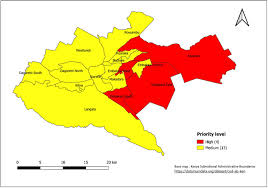
Nairobi City County is one of the 47 counties of Kenya. With an estimated population of 5,454,000 in 2024, it is the third-smallest in area of the counties, yet the most populous. It also serves as the capital of Kenya. The county entity was effected in 2013, replacing Nairobi City Council, which had been the long-standing unit of local administration since before Kenya’s independence. The city county consists of eleven gazetted sub-counties and eighty-five electoral wards. Nairobi City County shares the same boundaries as the former Nairobi Province. Kenya’s eight provinces were sub-divided into forty-seven counties as stated in the constitution, based on the forty-seven districts that were established prior to 1992.
A visit to Nairobi provides an opportunity for visitors & citizens alike to enjoy its rich culture and heritage, amazing wildlife, buzzling nightlife, delectable and tantalizing cuisines, unforgettable adventure and participate in meetings, incentives, conferences and exhibitions. Being a melting point of not only the country, but the region and the continent at large, Nairobi is always alive, whether day or night. One could say it is the city that never sleeps. Literally.

A tour of Nairobi will normally include visits to the following places: Nairobi National Park, Nairobi Safari Walk, Giraffe Centre, David Sheldrick Wildlife Trust, Karura forest, Mamba Village, Bomas of Kenya, Nairobi National Museum, Nairobi Snake Park and Botanic garden, Karen Blixen Museum, Railway Museum, Nairobi Gallery, Kenya National Archives, Nairobi Arboretum, Oloolua Nature trail, Uhuru Park, Central Park, Uhuru Gardens, Michuki Park, City Park, Kazuri Beads, Godown Arts Centre, historical monuments and buildings among others.

It goes without saying that being the capital of Kenya, Nairobi cannot go without its fair share of people from all walks of life coming to make their mark in the world. As it were, this is the exact place that Allan Mwamuye Mzungu teamed up with Felicia Solomon to build MMS Advocates LLP. Founded in 2014, they brought their prior experience at Bowman’s Law to establish a firm focused on providing tailored legal and advisory services to a diverse range of local and international clients. Allan and Felicia have, for over a decade now, cultivated, grown and mentored tens of young advocates, associates, lawyers and researchers – including myself. The law firm itself has a wide array and selection of legal experts; led by Allan and Felicia; whose extensive experience has led us to be a client-centric office, aiming to provide support and partnership by deeply understanding our potential, existing and future clients’ businesses.
Nairobi is known as a place for cutting your teeth, and so economic opportunities such as service sectors (business and personal services), the digital economy (ICT, creative industries, and e-services), and construction, would definitely require sharp legal minds to help clients navigate such frontiers. MMS Advocates LLP Headquarters was seen to work best in the Upperhill area of the city. Upperhill is a central business district, located approximately 4 km (2.5 mi) from the Central Business District. It being the preferred location for office space in Nairobi, MMS having a spot within it was more than ideal.

My legal curiosity was shaped by my upbringing – both at the Coast and in Nairobi – and was almost completely molded before being paused (and almost extinguished) by Nairobi City. Many would assume that for someone having lived in the city that is always alive (or its outskirts), transitioning to campus and School of Law would be a breeze. Nothing could be further from the truth. As mentioned above, the city is a melting pot of not only physical beings, but of minds. The brightest, sharpest and most ruthless of cognitive excellence and mental acuity settle in this great capital of ours, mine being no exception. However, there is always a more cunning or cleverer person besides you, and that is what Nairobi was happy to show me. Her underbelly – from the classrooms and lecture halls, to the corridors of law firms and companies and creative halls – was both inviting and terrifying. Any misstep would mean someone would leap ahead of me; regardless of how smart and quick I was to answer questions; or how social and respectful I would be (again, being born and raised at the Coast had both advantages and disadvantages). My sometimes calm or shy demeanour was no match for those whose hunger was more insatiable than mine; whose quest to be the best the city could offer being far much quicker; or whose cunning nature could never be found within me. So when Nairobi asked, not so kindly, for me to re-evaluate my foray into the juridical sphere, I did.

I soon realised that maybe the city in the sun had other opportunities for me to tap into. So after my admission to the Bar in 2016, and a job offer at MMS Advocates LLP already on the table, I walked away from the legal realm. Little did I know, that despite my insistence on not allowing the legal fraternity on my doorstep, they sat on the veranda and steps of my mind; watching my comings and goings. Each job or gig I undertook always had a tie to my legal background. Every conversation I had with friends, family and acquaintances alike would gravitate back to my law degree and Advocates’ diploma. My love for the environment and law came together (almost, but not quite) when I became an ESG Manager in a reputable agribusiness a few years back.
But: when I decided to resign and get back to the legal field officially? Oh, it was scary, but exciting. After 8 years post admission to the Bar, the beautiful Enkare Nyirobi smiled for the first time in a long time at me, as if saying, “Welcome back, my child. You have finally cut your teeth and are ready.” So I walked back to my training grounds in 2024; where the city had shown me all the moves she could; headed to the office in Upperhill, and sat down with Allan. I was ready to come back.

Since then, the journey to being Legal Gal felt like it had reached its first milestone. Almost a decade later, it was like walking through a maze, but with the path already in my mind. All I had to do was close my eyes, breathe deep and years upon years of lessons, lectures, sleepless nights and the clamour and din of Nairobi would become a sort of humming background sound. MMS Advocates provided not only a space to show what I had become, but allowed me to re-learn what I might have forgotten, practice what I already knew, and bring fresh ideas from the far lands across the world I had travelled to.
Now, the journey heads off in a new direction – as from my previous articles, Mombasa and Kwale have become my new legal frontiers. MMS Advocates LLP is growing, expanding, spreading its wings even further afield within this sovereign land I call home. And I’m so glad that I got back in time to hop onto the train.

Kasichana Riziki Mumba is an Advocate of the High Court of Kenya, and an associate at MMS Advocates LLP. She is passionate about the rule of law, justice and creatively combining the world of artivism (art and activism), nature and ESG into her work.
]]>At its core, the VASP Act seeks to bring legal clarity, regulatory oversight, and consumer protection to Kenya’s virtual asset market, from crypto exchanges and wallet providers to brokers and payment processors. The law places licensing and supervisory authority with established financial regulators: the Central Bank of Kenya (CBK) and the Capital Markets Authority (CMA), which together are tasked with shaping the sector’s future.
Under the VASP Act, a virtual asset is defined as a digital representation of value that can be traded or transferred, and which can be used for payment or investment purposes, excluding purely internal tokens or digital assets that do not interact with wider markets.
Businesses offering virtual asset services, including exchanges, wallet storage, payment facilitation, custody and brokerage must now obtain a license before operating in or from Kenya. Licenses will be granted in line with regulatory guidance once detailed regulations are published by the National Treasury in consultation with CBK and CMA. So far, regulators have not yet issued any VASP licenses, and no company is legally authorized to operate until those implementing rules are in force.
The Act also requires licensed providers to adopt robust measures to combat money laundering, terrorism financing and proliferation financing, aligning Kenya with international standards set by bodies such as the Financial Action Task Force (FATF).
What does this Act mean for Kenyan companies and investors? For Kenyan fintechs, crypto startups, and international players eyeing the East African market, the VASP Act represents both risk and opportunity:
-Regulatory certainty: Companies can now plan with a clearer view of legal obligations, licensing pathways, and supervisory expectations. This reduces operational risk and opens doors for institutional investment that was previously deterred by uncertainty.
-Compliance Costs and Operational Shifts: Becoming a licensed VASP is not a low-barrier exercise. Companies will need internal compliance frameworks, AML/CFT systems, data protection controls, and audited financial reporting. These regulatory costs may be significant, especially for small ventures.
-Global Alignment and Competitive Advantage: Kenya’s move mirrors trends in jurisdictions such as South Africa, thus positioning the country as a credible destination for crypto business and investment. This could help local firms scale and attract cross-border partnerships.
-Consumer Protection and Trust: Users of virtual asset services can reasonably expect full transparency through disclosures of risk, clearer dispute resolution pathways, and authorized market participants: a contrast to the unregulated platforms that have collapsed in the past.
Kenya’s Virtual Asset Service Providers Act, 2025 is more than a crypto law; it is a framework for sustainable digital finance that balances innovation with investor protection and financial integrity. As the VASP regime takes practical shape with subsidiary regulations and licensing, the legal landscape for crypto in Kenya will continue to evolve: demanding vigilance, compliance readiness, and strategic planning from all market participants.
]]>