I did not stumble into ESG by accident.
I was hunting.
You see, my first degree was in Project Planning and Management, a discipline that trains you to love timelines, indicators, deliverables, and that terrifying phrase: monitoring and evaluation. I was taught early that good intentions are nice, but measurable outcomes are better.
Years later, as I began my Master’s in Business Administration, specializing in Strategic Management, I found myself searching for a research topic. Not just something academically acceptable but something strategically alive. Something that sits where business decisions shape real-world consequences.
Naturally, I wandered into CSR.
Corporate Social Responsibility, the polite cousin companies introduce at conferences. The one with beautiful photos of tree planting ceremonies and scholarships awarded under large branded banners. CSR felt familiar. Comforting. Like a well-written sustainability report that smells faintly of marketing.
But then I met ESG.
And ESG did not smile.
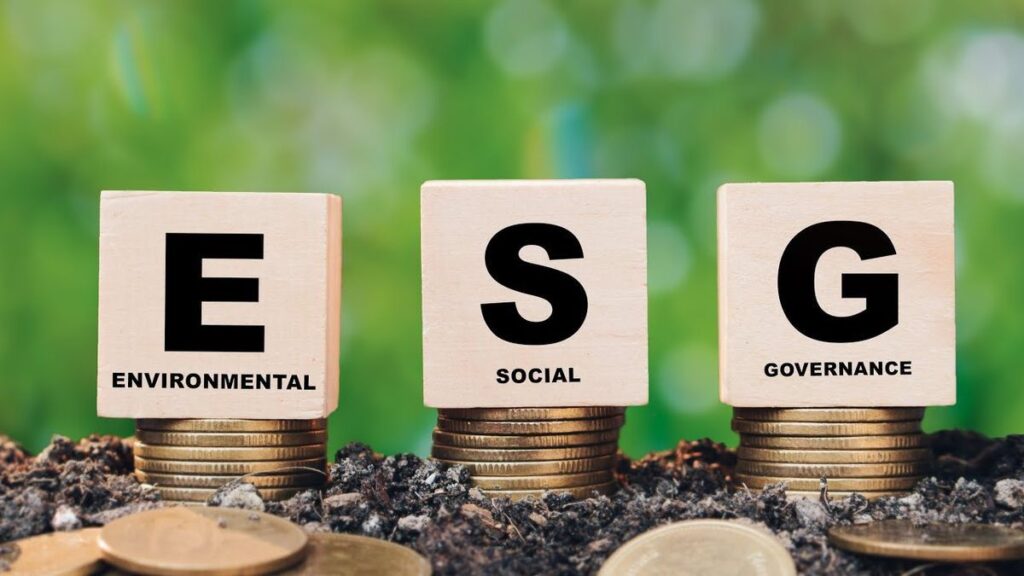
ESG, Environmental, Social, and Governance, did not ask what you donated. It asked what you measured. It did not applaud effort; it requested evidence.
Where CSR says, “We supported the community.”
ESG asks, “What changed? By how much? And who is accountable?”
And that difference, that insistence on quantification pulled me in.
Because coming from Project Planning and Management, measurement is not optional. It is survival. You do not manage what you cannot measure. And in Strategic Management, you do not pursue what does not align with long-term value creation.
That is when it clicked.
CSR can live in a communications department.
ESG lives in strategy.
CSR can be episodic.
ESG is embedded.
CSR tells a story.
ESG produces data that investors, regulators, and boards cannot ignore.
It closes the gap between “doing good” and “being accountable.”
For someone studying strategy, that gap is everything.
ESG influences capital allocation. It affects risk exposure. It shapes how companies are evaluated globally. It determines which businesses are resilient and which ones are simply loud.
And in emerging markets, including ours, this shift is particularly important. We cannot afford decorative responsibility. We need measurable sustainability.
Yet here is the tension that fascinates me: when we quantify impact, do we risk losing its humanity? When we assign metrics to social good, do we reduce stories to spreadsheets?
Or perhaps do we finally give those stories the power to influence boardroom decisions?
This is the space I want to explore as a writer.
At the intersection of:
- Strategy and sustainability
- Governance and growth
- Data and dignity
I am not writing about ESG because it is trendy.
I am writing about it because it is strategic.
Because the future of business will not be shaped by the companies that appear responsible, but by the companies that can prove responsibility consistently, transparently, and measurably.
This is where my curiosity began.
And I suspect it is only the beginning.