In my first article in the series, ‘Fireside Chats with the Legal Gal’, I wrote on the Impact of ESG in the Legal Industry {https://mmsadvocates.co.ke/esg-within-the-legal-profession-a-legal-gals-perspective/} and how it shapes what those in the field are currently engaging in. Have a read, let us know what you think and what more you’d like to know about our work at MMS Advocates LLP and how we could be of service. Thank you.
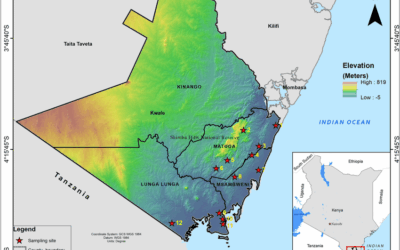
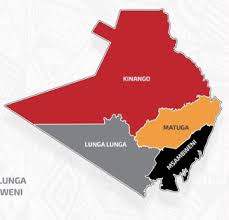
Kwale County is located in the south coast of Kenya and it borders the Republic of Tanzania to the South West, and the following counties; Taita Taveta to the West, Kilifi to the North, Mombasa to the North East and the Indian Ocean to the East. The sub-counties are Matuga, Msambweni, Kinango, Lunga Lunga, Samburu and Shimba Hills. Out of the sub-counties, the most important towns in the county include Ukunda, Msambweni, Kombani, Kinango, and Lunga Lunga. Diani is the largest and fastest growing cosmopolitan shopping and tourist destination center, receiving and entertaining both local and foreign visitors on holiday vacations.
Kwale Town, the subject of our interaction, is located 30 km southwest of Mombasa and 15km inland. It borders the Shimba Hills National Reserve, and is in the sub county of Matuga.
My Fireside Chat today leaps forward to me being in Kwale; but you are invited to take a journey with me over the coming weeks; how I moved across the continent, region and Kenya, to land here. It has been a true rollercoaster experience, and I do hope, dear reader, that you will be both informed, as well as delighted.
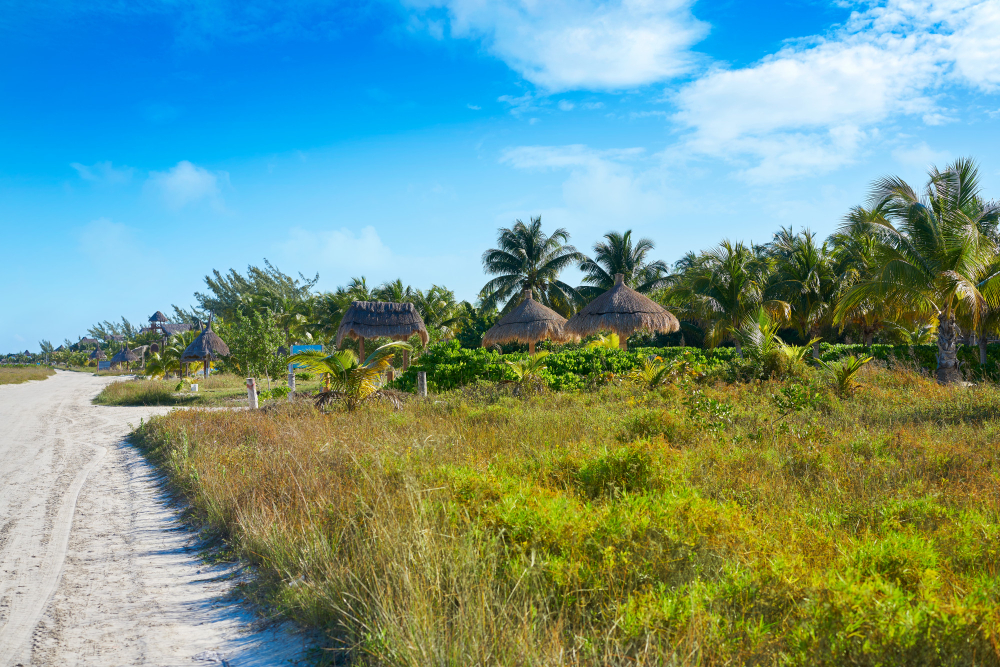
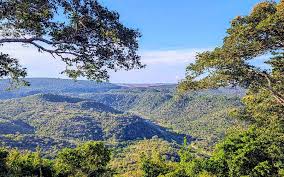
To start us off: pictures on the Web do not do enough justice to the majestic sights you will encounter once you begin your way to the county’s headquarters, Kwale Town. From the quiet picturesque hills of Shimba, to the leafy terrains of trees and lush grassland, to the diversity of its people (largely from the Digo and Duruma sub tribes of the Mijikenda tribe); one would imagine the same would be said for the county’s hub of administration & local governance. Beyond the eclectic nature and wildlife found here (largely in part to the Shimba Hills National Reserve and the Mwaluganje Elephant Sanctuary), there is plenty to see and experience as a first time or repeat visitor to this serene area. The proximity of places to visit to the town center, coupled with the cool and rainy climate, makes the whole interaction with the place comfortable and vibrant. And it’s also quite entertaining, as you will definitely find the baboon troops seated right in the middle of the road.
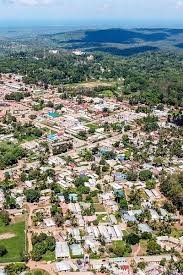
However, as you enter the town, you quickly realize that the once sleepy town (as described in many an article), is anything but. It’s a small concentration of a hot pot of hustle and bustle; coupled with the sounds of motorbikes (pikipikis or bodabodas), the sputtering of tuktuks as they rumble by, the shouting of conductors as they call out to passengers to board the matatus (vans & buses) and its people going about their day.
With that snippet of Kwale town, one would wonder: ‘What else can I possibly do or occupy my time with while there?’ Kwale town is a place rich in agricultural land, natural resources and and home to a thriving tourism sector. Opportunities for investment are diverse, with the County Government actively seeking partnerships to attract investors. MMS Advocates LLP are also at hand to help you set up whichever company or business outfit you may require. I, for one, have been glad to spend my free time learning more on the sustainable growth in the environmental & conservation sector. Other opportunities range from manufacturing and industrial development, real estate and infrastructure, services and trade to skill development and agriculture and agro-processing.
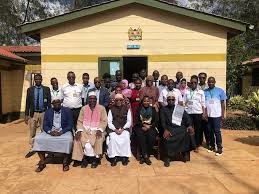
Kwale town is home to a robust governance structure involving the national and county governments. One key aspect, for which I’m greatly intertwined with, is the judicial system. Kwale town is home to the Kwale Magistrates Law Court, which comprises of the Kadhi’s court as well. I have spent quite a great deal of informative and illuminating time attending court sessions and interacting with staff, employees and members of the public at the Kwale Law Courts.
Each court begins at 9 am, with time variations depending on the presence of counsel for the accused or the State Counsel receiving files on time. Most of the matters I have observed involve assault or grievous bodily harm, which is contrary to Section 250 and 251 of the Penal Code of Kenya. As much as baboons are also present at one time or another around the court grounds, the matters within its walls and chambers are sobering, at times almost comical, but all round – daunting.
During my time so far, either in Court 1, 2 or 3, the cause lists are set up on the notice board near the shed where those attending proceedings can view which court they are sitting in. Majority of the cases have been criminal matters across the 3 courts, except for the Kadhi’s Court, whose matters deal with inheritance, family and succession as prescribed under Islamic Law (this I wrote on here: https://mmsadvocates.co.ke/kadhis-courts-establishment-structure-succession-matters/). On an opposite wall, are colorful organograms of how criminal, civil and the Islamic proceedings are carried out. All this is to help the public in getting closer to and more information on the judicial system in the town.
The legal system and its mechanisms are not as widely known as I, an advocate, and most people, would believe. Many offenders that I watch seem to have had their first interaction with the legal frontier as criminals. They have no idea of how the court process works, even before being arrested. Some believe that they would only be arrested and released once their family members go to the police station. Others, once in court and realising the gravity of the situation, try and speak over the State Prosecution or even the Magistrates – things advocates and lawyers are trained not to do. Further, the State Prosecution, as overloaded with case files as they are, also have the most unfortunate role to play; where I observe that many files that they receive, either don’t have the initial investigation report from the police station, or the arresting officer is unavailable. This in turn would mean an offender is kept in remand for much longer than is required. I truly appreciate and respect the work that the State Prosecution in Kwale Town is doing, and I empathise with their plight. Hopefully, their backlog will also lessen as time goes by when things are streamlined between them and with other key stakeholders such as the police.
In many of the interactions I have had with some advocates within the court grounds, it is clear that unless family members of the offenders or accused know of a law firm, an advocate or seek assistance from their networks, most of these offenders remain in remand for a much longer time than is necessary. This in turn leads to an individual who becomes disillusioned with the legal system, and if released eventually (even if after a year or more) would probably have no qualms of re-offending or doing much worse.
For a town as small as Kwale, one would be inclined to believe that offences are relatively few and the courts’ registries don’t have as much backlog in their bookshelves and drawers as other places like Mombasa or Nairobi. With just a quick peek into their offices, you are quickly reminded that although the law is clear, not many are even aware of how it either aids or convicts them, as I mentioned above. The cats, famously everywhere in town, pass under desks and benches, and walk with a resigned air of the heavy gravity and reality of the situation at hand.
The courts – its staff (from guards to employees) and the Honorable magistrates seated in the chambers within – work tirelessly to expend justice to all accused brought before them, and more often than not, revise bail or bond limits, or even sentences. Similarly, a lot of education goes on during court proceedings; with magistrates advising the accused and their families in attendance of their rights, the confines of the law, and urging them to acquaint themselves with the help desk that is always available during the week.
Having grown up in Mombasa and Nairobi, the move to Kwale, specifically its headquarters, has been nothing short of a mild culture shock. Someone would assume, because I’m from the Kauma sub tribe of the Mijikenda, that I would fit right in with my fellow tribespeople. However, there are quite distinct differences between those of us from the Northern Coast, vis-à-vis the Digo and Duruma, who, as earlier stated, occupy this Southern part of the Coastal region. This I will write on in one of my upcoming fireside chats, so stay tuned and locked onto our website to read more.
The beauty of being in Kwale Town is this: I now understand when clients speak in their mother tongue. Because it is mine as well. The immense comfort and joy this brings me while at work cannot be quantified nor described adequately in words. I can genuinely say that the move, though albeit farther than my home county of Kilifi and town of Mavueni, feels more like going to one of my parents’ sibling’s house. I’m basically at an extended staycation with my cousins.
With the addition of MMS Advocates LLP’s office in this once sleepy town, I do believe we will greatly contribute to shaping the judicial system even more; while establishing our reach and interaction. With fellow members of the Bar so committed to ensuring that justice and fairness is accorded to all Kenyans living here, I do have a strong conviction that within a year or less, MMS Advocates LLP shall be one of the law firms that will cement its place in Kwale Town and in the wider county of Kwale.
Kasichana Riziki Mumba is an Advocate of the High Court of Kenya, and an associate at MMS Advocates LLP. She is passionate about the rule of law, justice and creatively combining the world of artivism (art and activism), nature and ESG into her work.