FIRESIDE CHATS WITH THE LEGAL GAL: NORTH COAST EDITION
In my previous article in the series, ‘Fireside Chats with the Legal Gal’, I wrote on our presence in Kwale County, and specifically, Kwale Town and my move there: {https://mmsadvocates.co.ke/kwale-town-new-home-away-from-home-fireside-chats-with-the-legal-gal/}. Have a read, let us know what you think and what more you’d like to know about our work at MMS Advocates LLP and how we could be of service. Thank you.
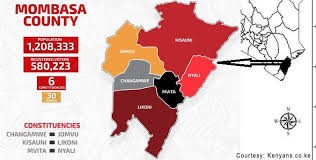
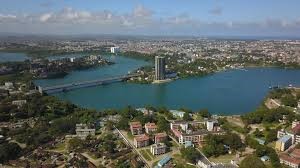
Mombasa County is divided into six sub-counties: Mvita, Changamwe, Kisauni, Jomvu, Nyali, and Likoni. These sub-counties are the administrative and political divisions of the county, and they are also recognized as electoral constituencies. It is the smallest county in Kenya, covering an area of 229.7 km2, excluding 65 km2 of water mass. The county is situated in the south eastern part of the former Coast Province, bordering Kilifi County to the north, Kwale County to the south west and the Indian Ocean to the east. Administratively, the county is divided into seven divisions, eighteen locations and thirty sub-locations.
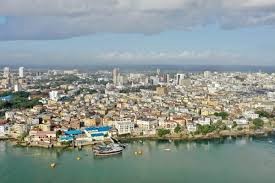
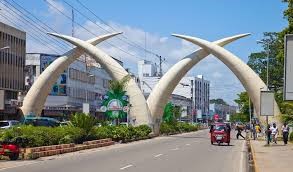
Mombasa, a coastal city, was the first capital of British East Africa, before Nairobi was elevated to capital status in 1907. It now serves as the capital of Mombasa County. The town is known as “the white and blue city” in Kenya. It is the country’s oldest and second-largest city after Nairobi.
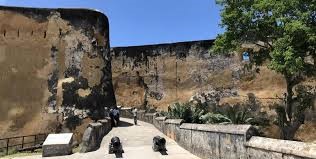
Mombasa, being an ancient town, hosts several tourist attractions and world heritage sites. Of significant mention is the historic Fort Jesus Museum which is a UNESCO World Heritage site. The initial location of our Mombasa County office was a 5-minute walk to this historical site, which gave me plenty of reason to get up from my desk and enjoy the time outside.
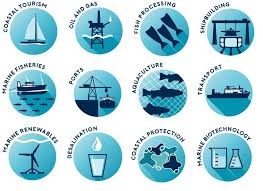
The County, at large, has been a commercial & tourism hub for years. However, as the major port city, a key area for investment rose up. The Blue Economy, which involves the sustainable management and exploitation of ocean and coastal resources to create economic growth and job opportunities, has been a boon to citizens, residents and visitors alike. It encompasses living resources (fisheries, aquaculture), non-living resources (minerals, oil, gas), renewable energy (wind, tidal, solar), and trade and commerce (tourism, shipping, ports). The concept is built on the three pillars of economic, social, and environmental sustainability. As someone who has worked in the Environmental, Social and Governance field for a while, the Blue Economy aspect of investment is one I am keen on continuing within the firm’s operations. My personal favourite in opportunities (that MMS Advocates are already key players in) is the Go Blue Initiative, a program focused on protecting coastal ecosystems while creating jobs in recycling, tourism, and small-scale fishing.
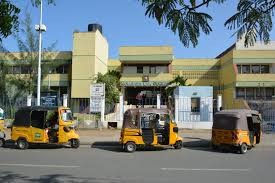
The Mombasa Law Courts were also a short walk away from our initial office space. This would immensely reduce any avenue for excuses to our bosses on whether you showed up to a hearing on time, or whether you were required to sit in on court proceedings. The location of the city’s courts, however, did not come without its challenges – many matters that have been referred to the High Court within the Coastal region end up in the city’s domain; with the sub-registry at Lamu and with stations in Malindi, Kwale, Garsen, and Voi also serving the region. Specific issues in Mombasa are often related to the region’s unique legal and economic climate, including land, commercial, and maritime disputes.
While the other court stations can only serve as hubs to a degree, having all these cases moved to the Mombasa Law Courts brought in issues of case backlogs, corruption, and insufficient resources. While our office managed to overcome hurdles in one area, others would present themselves too; often times bringing our clients back to our doorstep demanding for answers. All in all, our presence within the town centre was strategically placed to receive as many clients as we could; expanding our list of stakeholders, partners and acquaintances from the Nairobi office.
In the beginning of 2025, MMS Advocates moved its office location to Nyali, one of the sub counties mentioned earlier. Though the bustle of the city brought a different dynamic to our working environment in the office, this new shift meant that not only would I not hear the ships coming in at the port, I would also miss out on the camaraderie that permeated the city’s day to day activities. Mikokoteni (hand pushed carts) with bottle tops attached to the wheels would be a constant jingle throughout the day. The calls to prayer (salah) were our outdoor time system, signaling what time in the day it was. It was also very common to have our breakfast and lunches at the various Swahili eateries spread around the town, emphasizing the deep cultural and historical ties the city has.
The mix of all its influences as a town and city also meant our clientele were a wonderful variety of people from all backgrounds and faith; from Muslim to Christian to Hindu; which meant I had to up my game when it came to understanding the different laws & procedures that applied to the different religions practiced. This in turn allowed me to slow down my mind from the rat race pace of Nairobi City, where the MMS Advocates’ headquarters is. While Nairobi could have you running from one court to another; or even from one client meeting to the next; Mombasa offered something I had not had in a while – savoring the moment. Even having a meeting with a client was a cherished event – it would begin with drawn out pleasantries, often very comical and laughter filled, followed by a historical trip down memory lane of said client – before getting to the heart of the meeting, which was a legal issue to be solved/resolved.
Our move to Nyali, however, did not come without its own little pockets of joy. With the need to have a quieter space to receive our clients, as well as an environment for us to hold meetings and work in a more conducive setting; this new location was perfect for our team. As much as the initial move also raised questions with our clientele, they quickly grew appreciative once we directed them to where we now were and are. Plus, the joyous cacophony I had become accustomed to, slowly changed into beautiful rustling of coconut palm tree leaves and singing birds throughout the day. Our interactions with the clients (both old and new) has not been altered, though. The culture of Mombasa’s people of kindness, warmth and respect has not changed with the move from the town centre to Nyali; it just elevated it to another dimension. We still have long greetings and hearty laughs before getting to the legal matter at hand.
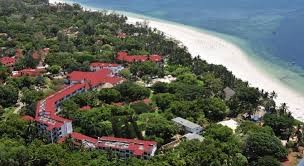
While working in the Mombasa town office, I could walk to Fort Jesus; take stock of my morning so far; then walk back. In Nyali, the walk became something entirely captivating. With the beach almost a breath of salty air away, the new location not only offered a sense of tranquility, but also the calmness of the ocean to me. I had ample time to prepare myself for a client or an office meeting, while sipping on madafu (coconut water). The selection of viazi karai and ukwaju (a snack of deep fried potatoes with a side of tamarind sauce) for lunch also became a staple in the office. This vastly improved my output and gave me more smiles to brave the humidity that is so common in the county. And smiling, I dare say, is one of my greatest tools when it comes to my advocate tool box. It was bitter sweet leaving the Mombasa office for the Kwale town one, but I would not trade the move for anything. In fact, it just goes to show how excited I am to sit in the Lunga Lunga office in a few weeks. Catch me on the next fireside chat to know how it’s going.
MMS Advocates LLP continues to grow in leaps and bounds, and we can only get higher with each new branch being opened, relocated or expanded. I do hope you’ll join us on this legal quest. Until next time.
Kasichana Riziki Mumba is an Advocate of the High Court of Kenya, and an associate at MMS Advocates LLP. She is passionate about the rule of law, justice and creatively combining the world of artivism (art and activism), nature and ESG into her work.