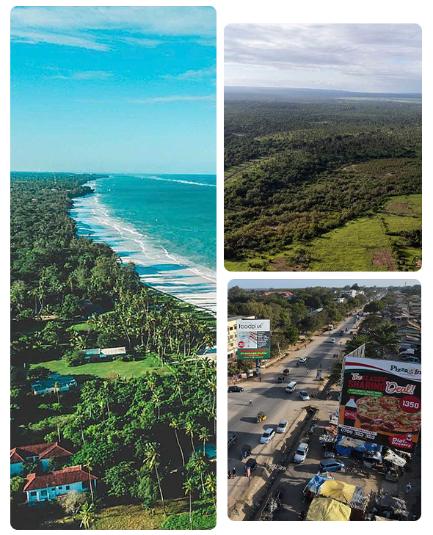
Sustainability in Kwale County
Today, we will take a look at what this word, ‘Sustainability’, means. You have probably come across it in various settings: board meetings, book clubs, community meetings, conferences, corporate events; the places you heard it and how many times you have heard it might be too many to remember. It is definitely something you have been doing – but most likely did not either know it, or hadn’t realized you had been engaging in and with it.
Sustainability is the ability to maintain or support a process over time, balancing environmental, economic, and social needs without compromising the ability of future generations to meet their own. It involves using resources conservatively to prevent long-term depletion, ensuring ecological, economic and human health.
Core Pillars of Sustainability
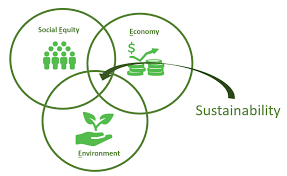
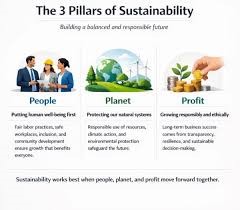
Sustainability is often broken down into three or four core pillars, frequently referred to as the triple bottom line – people, planet, profit (or the 3Ps for those of us largely in the ESG sphere):
- Environmental Sustainability: Protecting natural resources, reducing waste, and using renewable energy to maintain ecosystem balance.
- Social Sustainability: Fostering equity, fair wages, safety, and health in communities.
- Economic Sustainability: Promoting long-term economic growth without negatively impacting the environment or society.
- Human Sustainability: (Sometimes included) Maintaining human capital, health, and education.
Key Aspects and Examples
There are various aspects and examples of how and why we engage in sustainability efforts. These include, but are definitely not limited to, the following:
- Intergenerational Ethics: Ensuring current actions do not diminish opportunities for future generations.
- Resource Management: Managing resources like forests or water so they can naturally regenerate rather than depleting them.
- Business Practices: Implementing initiatives like reducing carbon footprints, using sustainable packaging, and ethical sourcing.
- Global Goals: The UN’s Sustainable Development Goals (SDGs) are a 2030 plan to end poverty, protect the planet, and ensure prosperity.
Why Sustainability Matters
Why, we ask, does sustainability matter at all? Well, it is vitally essential for ensuring long-term survival and viability for both humanity and the planet, recognizing that environmental degradation disproportionately impacts vulnerable communities.
With that said, I will take you to my new home away from home: Kwale County. As you can tell by now, my foray into the ESG world has been a huge advantage for me; as well as igniting my curiosity and seeking of avenues of how I can incorporate what I know and learnt into the daily operations of MMS Advocates in this lovely Southern Coast region.
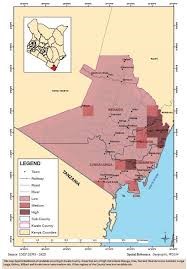
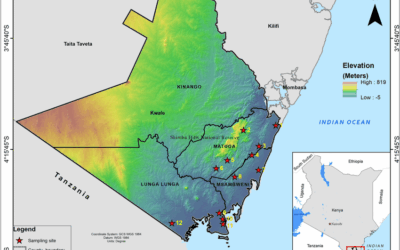
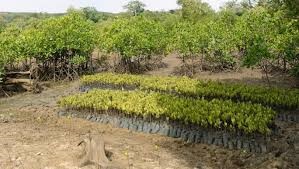
Sustainability efforts and initiatives in Kwale County are multi-faceted, focusing heavily on climate resilience, blue economy development, community-led conservation and environmental conservation through the Kwale County Climate Change Action Plan 2023-2027, which integrates climate adaptation into all sectoral planning. Key efforts include mangrove restoration, agroforestry with over 20,000 farmers, sustainable fishing, and waste management to protect coastal ecosystems. Key partners include UN-Habitat/UNEP, WWF-Kenya, and local organizations like Mikoko Pamoja.
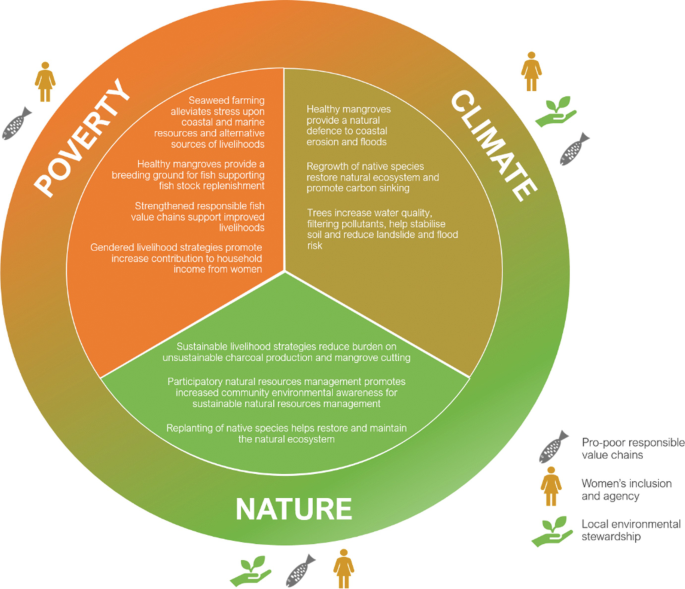
At a glance (and in some deeper details right after) are some of the key sustainability areas in Kwale. They are not exhaustive, as new ideas come up, mainly from the communities here, to advance sustainability efforts and leave behind a better tomorrow for the generations to come.
They include:
Blue Economy & Marine Conservation:
- Go Blue Initiative: A major EU-supported program focused on sustainable fisheries, aquaculture, and maritime security. It focuses on coastal management, including a Marine Protected Area (MPA) at Kisite-Mpungutini and strengthening sustainable fisheries and mangrove protection (blue carbon); as well as empowers Beach Management Units (BMUs) and develops aquaculture value chains to create jobs for youth and women.
- Mikoko Pamoja: A world-renowned community-led project in Gazi Bay. involving mangrove restoration and blue carbon trading to fund local development.
- Transboundary Conservation: The GIZ-supported Kwale-Tanga project manages marine biodiversity across the Kenya-Tanzania border.
Ecotourism & Wildlife:
- Eco-friendly Infrastructure: The county is promoting ecotourism in the Shimba Hills by building eco-bandas (lodges), butterfly farms, and water towers to generate income without harming the ecosystem.
- Conservation Partnerships: Organizations like WWF-Kenya and Base Titanium work on terrestrial forest management and biodiversity surveys, plus establishing community-based livelihood programs, including cotton farming, water access, and education.
Sustainable Agriculture & Forestry:
- Tree Planting & Agroforestry: Massive campaigns, often in partnership with World Vision, target planting nearly 1 million trees to combat soil erosion and improve climate resilience, as well as promote Farmer-Managed Natural Regeneration (FMNR) and agroforestry to boost soil health and reduce erosion.
- Value Addition: Efforts include a fruit processing plant in Kubo South to reduce post-harvest waste for mango, passion fruit, and orange farmers.
Governance & Community Empowerment:
- Climate Funds: Kwale has established a County Climate Change Fund to finance ward-level adaptation projects.
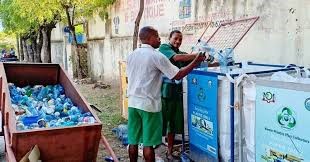
- Waste Management: The Flipflopi Project operates a recycling station in Diani to address plastic pollution and initiatives within the county and sub counties that exist to encourage waste segregation at the source and improve, solid waste management in urban areas.
We cannot talk about sustainability without knowing some of the key actors and stakeholders in Kwale, who are working with the communities living here to promote it. These are:
- Government: Kwale County Government (Environment, Natural Resources & Urban Planning), Kenya Forest Service (KFS), Kenya Wildlife Service (KWS) and NEMA.
- Partners: UN-Habitat, UNEP, WWF-Kenya, and Mikoko Pamoja. We are currently in talks with some of these actors to join their efforts as a law firm and stakeholder within the county.
All in all, at MMS Advocates, we strongly believe that we have come into Kwale County at a crucial and very important time in our firm’s growth. MMS’ expansion in the country has enabled us to see that our vision of a legal and sustainable tomorrow, is gelling with the vision that the communities and stakeholders of County 002 of the Jumuiya ya Kaunti Za Pwani have.